A pool next to a lake sounds simple until the hole fills with water. Here is what hides under the shoreline and how it shapes your swim, meal and event.
Guests ask us this all the time. Why would a resort on a lake build a pool? The short answer is that a lake and a pool do different jobs. The longer answer sits under the ground, in water you can't see, and in the rules that protect the shoreline.
A lake is wild in the best way. The water changes color after a storm. It feels cool in spring and warm by August. Boats leave wakes. Small fish nibble at toes. Many guests love all of that. Some guests don't.
A pool is calm, clear and the same every single day. Parents can watch small kids in shallow water. Older guests can swim laps without wondering what is under them. A bridal party can lounge between photos without getting lake water in their hair.
At a property where there are really four vacations happening at the same time, the pool becomes the shared middle ground. The angler, the family and the couple on a quiet weekend all end up there by late afternoon.
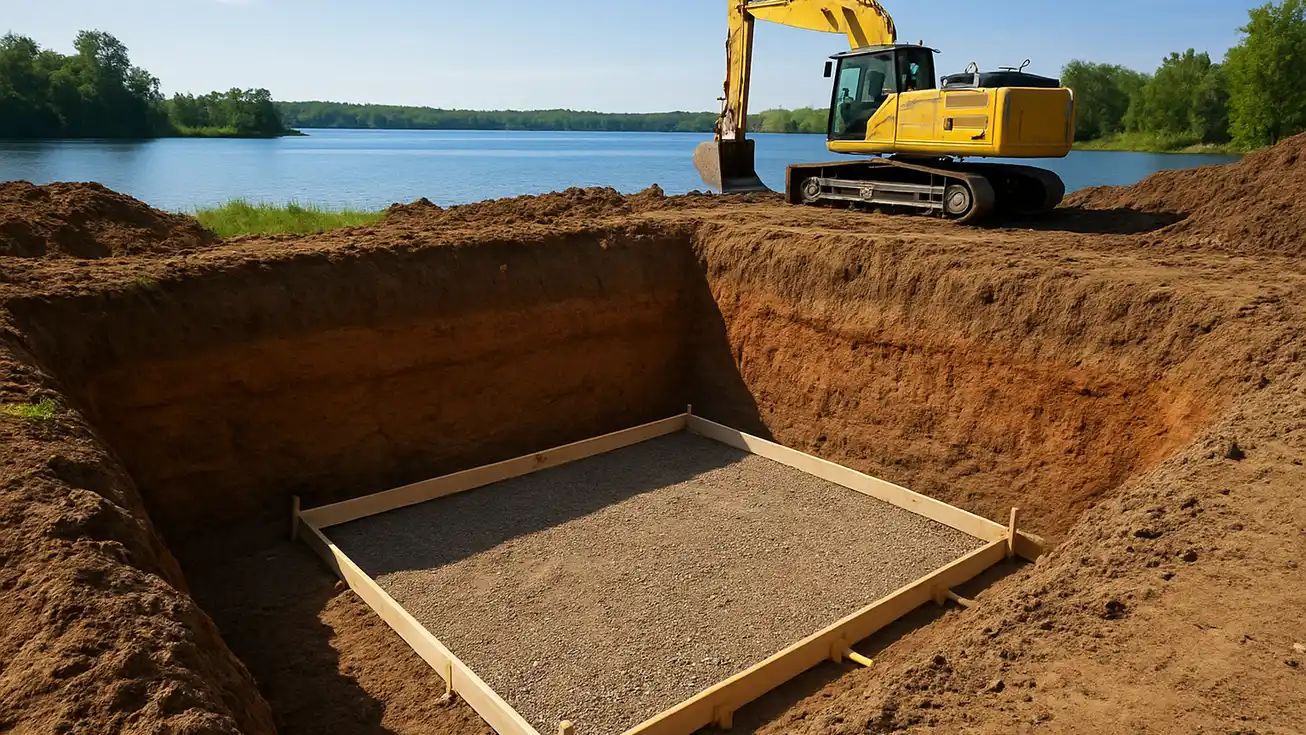
Most pool stories start with tile colors and shapes. A lakeside build starts with a hole and a lot of questions. Here is what crews tend to find as they dig, one layer at a time.
Near the water, the top few feet of ground are often loose. Some of it is silt the lake left behind over many years. Some is fill dirt brought in long ago to level the land. Neither one holds weight well. Crews usually scrape it out and replace it with packed gravel and an engineered base, so the pool shell has something firm to rest on.
Southeast Texas is known for heavy clay. When it gets wet, it swells. When it dries, it shrinks and cracks. A pool sitting in that soil gets pushed in a wet spring and pulled in a dry summer. Over time, that movement can crack a shell or tilt a deck. Good builders plan for it from day one:
This is the big surprise for most people. Dig a few feet down near a lake and the hole starts to fill on its own. That is groundwater, and close to the shore it rises and falls with the lake level.
During construction, pumps run day and night to keep the hole dry. This is called dewatering. Without it, crews can't pour a solid floor or set steel in the right place.
Once the pool is finished, the water table still matters. An empty pool near a lake can act like a boat. The groundwater pushes up from below, and if the pool is drained, the whole shell can lift or crack. That is why lakeside pools often have a special valve in the floor that lets groundwater in before the pressure gets dangerous. It is also why staff almost never drain a pool like this all the way.
Shifting soil isn't only a lake problem. Pool builders in desert cities fight expansive ground too, just with less water and more heat. The lesson is the same everywhere. The site comes first and the pretty parts come second.
"The pool is the easy part. The ground is what you're really building for. If you don't respect what the soil does in a wet season and a dry one, it will crack your shell no matter how nice the tile looks," says Daniel Ortiz, senior construction manager at Saturn Pools.
That advice holds up beside a lake better than almost anywhere. Every choice, from depth to deck to drain, ties back to what the shoreline is doing underneath.
Even with perfect soil, you can't just dig wherever the view looks best. Land near a lake comes with rules meant to protect the water, the bank and the neighbors. These rules shape where a pool can go and how it gets built.
None of this is glamorous. Still, it is the reason the lake stays clean enough for fishing and boating right next to a busy pool deck.
Once the hidden work is handled, design can finally take center stage. Beside a lake, the best pools don't compete with the water. They frame it.
That usually means simple shapes, decks that face the shoreline and finishes in soft blues or grays that echo the sky. Many of the water-saving pool design trends showing up in home backyards also make sense at a resort, like variable-speed pumps, smart controls and covers that cut down on evaporation.
A good lakeside pool feels easy. The deck stays level. The water stays clear after a summer storm. There is shade when you want it and sun when you don't. Much like the hidden infinity pool engineering at big hotels, the pumps, the valve in the floor and the extra steel in the walls rarely cross a guest's mind. That is exactly the point.
A pool doesn't only change how guests swim. It changes how they eat, gather and celebrate. Once it is in place, the whole property gains a new kind of space.
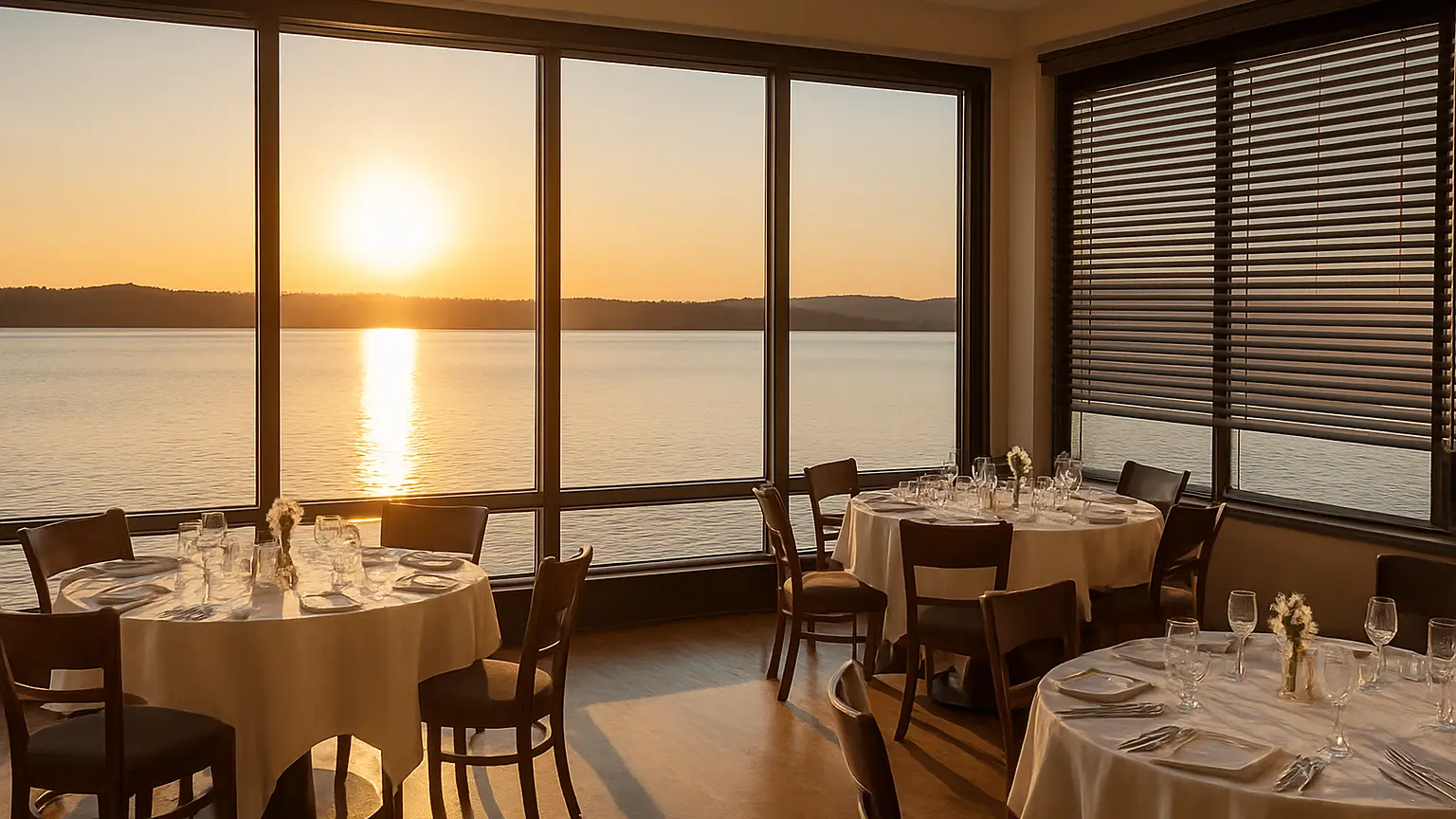
Poolside lunch becomes its own small ritual, with light plates, cold drinks and kids who don't want to leave the water. In the evening, the deck turns into a calm spot for a glass of wine while the sun drops over the lake.
For events, the pool adds options that a lawn or dock can't match. Planners who study the lakeside calendar often use the pool deck for warm-weather cocktail hours, welcome parties and rehearsal dinners when the air is still and the light is golden.
Company groups benefit too. A pool gives teams a relaxed place to unwind after a long session, which is one more reason a lake beats a ballroom when people need fresh air instead of fluorescent lights.
You can, and many guests do. The pool simply offers clear water, steady depth and an easy spot to watch young kids.
Yes. High groundwater, soft soil and shoreline rules all add steps to swimming pool construction near water.
Groundwater pushes up from below. An empty shell can lift or crack, so these pools stay full almost all the time.
It shouldn't. Rules on runoff, drainage and erosion keep pool water and loose soil out of the lake, and many eco-friendly pool designs add water-saving features that ease the load further.
A pool beside a lake looks simple from a lounge chair. Under the surface, it is a careful answer to soft fill, swelling clay, a water table that rises with the lake and rules that keep the shoreline healthy. Crews dig, pump, test, reinforce and plan around every one of those forces before the first tile goes on.
The payoff is a calm, clear place that works for everyone on the property. Families get safe shallow water. Couples get a quiet deck at sunset. Event planners get a new stage for dinners and cocktail hours. The next time you float in that pool and look out at the lake, you will know just how much the shoreline had to say about it.