Twenty thousand acres is a surface area problem. Here is how to actually use Lake Conroe rather than just look at it, season by season and hour by hour.
Twenty thousand acres of open water is more than a view. It is a surface area problem, and solving it well is the difference between a weekend at the lake and a weekend near one.
Find the charming downtown area and natural sights around the lake. You will find an abundance of interesting things to do on Lake Conroe during your stay at our full service resort and spa. Visit the art galleries and boutique shops, go antiquing, or head out on the Lone Star Hiking Trail in the Sam Houston National Forest to make the most of your visit. This guide leans toward the water itself, because that is the part of Lake Conroe that people travel for and the part that takes the most planning to use properly.
Lake Conroe covers roughly 20,118 surface acres on the West Fork of the San Jacinto River, spanning Montgomery and Walker counties. It was impounded in 1973, which by reservoir standards makes it mature rather than new, and it holds at a conservation pool elevation of about 201 feet above sea level with a normal fluctuation of a foot or three.
None of that is trivia. The size explains why the lake never feels crowded even on a busy holiday weekend, because the boat traffic spreads out across a very large area. The age explains the fishing, since decades of submerged structure have had time to develop. And the fluctuation explains why a shoreline that looked one way in spring can look noticeably different in late summer.
The water is the reason to come, and there are more ways to use it than most visitors get around to.
The lower two thirds of the lake is predominantly open water, which makes it genuinely good for cruising, waterskiing and wakeboarding. Boat traffic concentrates near the developed southern shoreline and thins out considerably as you move north toward the river channel. If you want space, head north.
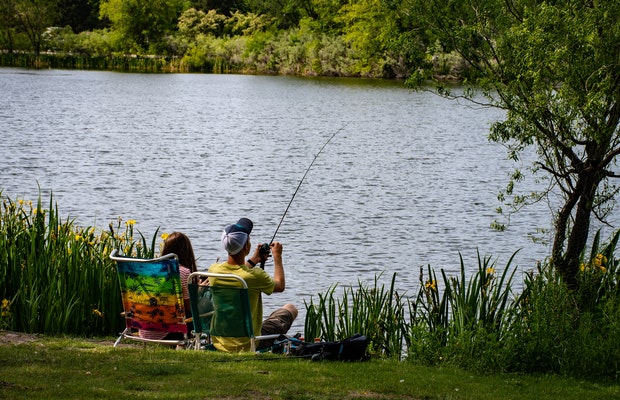
Lake Conroe holds largemouth bass, channel catfish, crappie, bluegill and hybrid striped bass, and it has a serious enough reputation that major tournament circuits have run events here. The upper reaches hold standing timber along the old river channel, while the lower lake offers bulkheads, boat docks and several constructed fish habitat reefs placed at published coordinates. Those two environments fish completely differently, which is worth knowing before you decide where to launch.
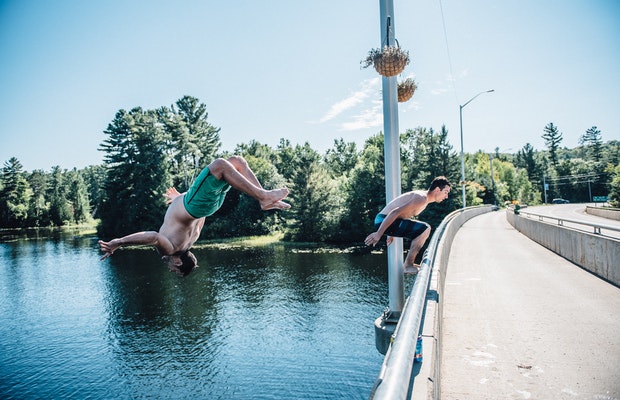
Open water swimming is a different proposition to a pool, and a designated beach area is the sensible way to do it with children. Guests at the resort have access to a private beach area as well as a three acre Aqua Park with a lazy river, which covers the case where the lake itself is choppier than a family would like.
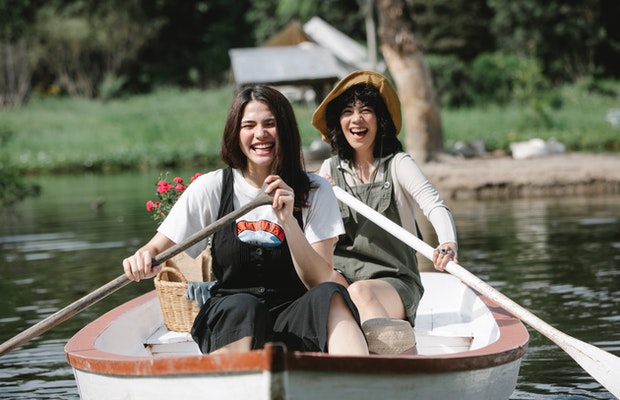
The most underrated option. Kayaks and paddleboards get into the shallow coves and timber that a powerboat cannot reach, and early morning on a calm lake is worth setting an alarm for. Stay near the shoreline and check the forecast, because open water gets rough faster than it looks like it will.
Not every day at the lake needs to happen on it. The margins of Lake Conroe carry a reasonable amount to do, particularly for anyone who would rather browse than boat.
The northern end of the lake runs up against the Sam Houston National Forest, and that changes the character of the whole area. Instead of a reservoir surrounded by development, the upper lake is a reservoir surrounded by pine forest, with mostly undeveloped banks.
The headline attraction is the Lone Star Hiking Trail, a long distance footpath running through the forest and the longest continuous hiking trail in Texas. Most visitors do not walk anywhere near all of it. The practical approach is to pick a trailhead, walk out for an hour and turn around, which delivers most of the experience without any logistics. Bring more water than seems necessary, wear something you do not mind getting muddy, and go early in summer.
Early morning and the hour before dusk are when the forest and the shoreline are most alive. Wading birds work the shallows, ospreys hunt over open water, and the whole place is considerably quieter than the middle of the day. Bring binoculars if you have them and plan to move slowly.
Seasonality matters more here than visitors from cooler places expect, and ignoring it is how people end up indoors on a trip built around a lake.
Summer is hot and humid, and the sensible pattern is early mornings on the water, the middle of the day somewhere air conditioned or in a pool, and evenings back outside. Spring and fall are the best months by a wide margin, with comfortable temperatures and the most reliable conditions. Winter is mild by most standards, quiet on the water, and genuinely pleasant for hiking and for fishing, which is why anglers like it. Afternoon thunderstorms build quickly in summer and can turn open water rough in a short space of time, so check the forecast before heading out and keep an eye on the sky.
No. Rentals operate around the lake covering everything from pontoons for a family afternoon to ski boats and personal watercraft. Book ahead for summer weekends, because the good equipment goes early and walking up on a Saturday morning rarely works.
Roughly an hour of driving from central Houston, depending on where you start and what the traffic is doing. That distance is the reason the lake works as a weekend destination rather than a holiday requiring a flight.
Less than the acreage would suggest. Traffic concentrates in the developed southern end and around the marinas, and the northern half stays quiet even on holiday weekends. If a busy launch ramp puts you off, go north.
The lake carries a slight to moderate algal stain, which is normal for a Texas reservoir, and aquatic vegetation currently sits at low density after past hydrilla problems were brought under control. It is a working reservoir rather than a spring fed swimming hole, and visitors who arrive expecting clear water are judging it against the wrong standard.
Packing for a lake is not the same as packing for a beach, and the gaps show up at inconvenient moments. A few things consistently get left at home.
A two night stay is enough to do this properly if you resist the urge to schedule everything. A workable shape looks like this: arrive and do nothing, spend the first full morning on the water while it is calm, take the hot part of the day indoors or at the pool, and use the late afternoon for the shoreline towns or a stretch of trail. The second morning is for whichever of those you wish you had done more of.
Guests staying at the resort have the advantage of a base that covers the indoor half of that plan without driving anywhere, between the Lake Conroe spa, the eighteen hole golf course and the resort restaurants. The full activities guide covers what sits further afield.
Lake Conroe rewards people who go early and stay flexible. The water is calmest in the morning, the forest is best before the heat, the shops are easiest before the afternoon crowd, and the light across twenty thousand acres in the last hour of the day is the reason anyone builds anything on a shoreline in the first place.
The real advice is to pick two things a day and do them well rather than five and do them badly. The lake is large enough that you will not run out of options on a single visit, and it is close enough to Houston that coming back is not a major undertaking. Have a look at current resort offers if you are still choosing dates, or the resort location and map if you are working out the drive.