The treatment is rarely the problem. What surrounds it usually is. A spa day laid out in the order it actually happens, from arrival to the hour you need to protect.
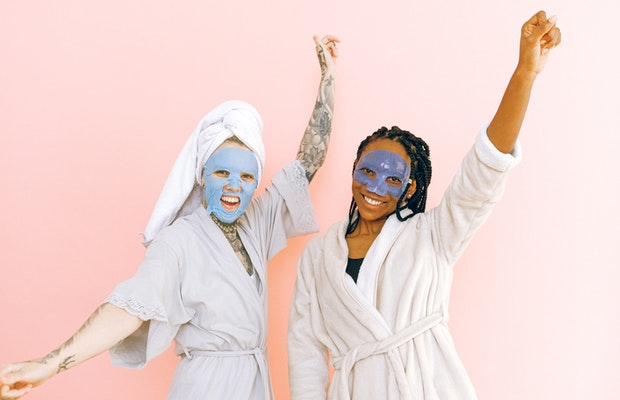
Most people waste the first hour of a spa day and then wonder why the massage did not quite land. The treatment is rarely the problem. What surrounds it usually is.
Relax and enjoy the ultimate spa experience at our full service spa. Make it a spa day with a pampering facial, a soothing massage, or a refreshing manicure and pedicure. Unwind with a complimentary Shiatsu massage in the Zen inspired garden and enjoy herbal tea and refreshments in the Relaxation Lounge. Here are some essential ways to make the most of your spa day, arranged in the order the day actually unfolds rather than as a list of tips to remember at random.
If you take one thing from this, take this. Arriving at the exact minute of your appointment means walking in warm, distracted and still carrying whatever you were dealing with in the car. A therapist then spends the first fifteen minutes of a fifty minute massage simply getting your nervous system to stand down, and that is fifteen minutes of the treatment you paid for spent on something you could have handled yourself for free.
Thirty minutes early is the right target. Forty five is better if the spa has facilities worth using. That buffer lets you change, sit down, drink something warm, and let your shoulders drop before anyone touches them. The difference in how the treatment feels is not subtle.
Steam rooms, saunas, whirlpools and heated loungers are not a bonus feature tacked onto the end of the day. They are preparation. Heat raises tissue temperature and relaxes muscle before a therapist starts working, which means deeper work becomes comfortable rather than something you have to brace against.
The practical sequence looks like this:
Reversing this order, which is what most guests do by default, means using the heat when the treatment is already finished and the benefit has nowhere to go.
The intake conversation is not a formality and it is not small talk. It is the only opportunity to redirect the next hour, and most guests give a polite non answer that makes the therapist guess.
Say where it actually hurts. Say what you do all day, because a person who sits at a keyboard and a person who lifts things for a living need completely different work. Say whether you want to talk or not, because therapists are trained to follow your lead and will happily stay silent if they know that is what you want. Say honestly how much pressure you want, and then say again during the treatment if it is wrong, because a therapist genuinely cannot tell from the outside and would far rather adjust than have you endure it.
Deeper is not automatically better. Pain that makes you tense up is counterproductive, because the muscle you are trying to release is now guarding against the thing trying to release it. The right pressure sits just at the edge of comfortable, where you can still breathe normally. If you are holding your breath, it is too much.
People tend to book by name rather than by outcome, which is how someone with a stiff neck ends up having a gentle aromatherapy session and leaving mildly disappointed. Work backward from the problem instead.
Sore and knotted from travel, sport or a desk? You want deep tissue or a sports focused treatment, and you should book longer than the minimum. Exhausted and overstimulated rather than physically sore? A lighter relaxation massage or a facial will serve you far better, because the goal is downregulation rather than muscle work. Dry, dull or irritated skin after too much sun? That is a facial, and it is worth saying what your skin has been doing lately rather than picking from the menu blind. Wanting the day to feel like an occasion rather than a repair job? A combination of a shorter treatment plus a manicure and pedicure stretches the experience across the afternoon.
The full range of options is laid out on the spa treatment menu, and it is worth reading before you arrive rather than deciding at the desk.
This is the part almost everyone gets wrong. A massage lowers blood pressure, slows your heart rate and leaves you mildly dehydrated and pleasantly uncoordinated. Scheduling a meeting, a drive or anything requiring decisions immediately afterward throws away most of the benefit within about twenty minutes.
Build in a soft landing. The Relaxation Lounge exists for exactly this, with herbal tea and somewhere quiet to sit while the effect settles. The Zen inspired garden and its complimentary Shiatsu massage make a good second stop. If the weather is decent, a slow walk along the lake shore works just as well. What does not work is going straight from the table to a laptop.
The advice to drink water after a massage gets repeated so often that people have stopped hearing it, but the reasoning is sound. Bodywork moves fluid around, and the sluggish, slightly headachy feeling some people report afterward is usually simple dehydration rather than anything mysterious. Two glasses before you leave the building solves it.
A single treatment is pleasant. A properly constructed spa day is a different category of experience, and it does not require booking six hours of services to get there.
Guests staying on property have an obvious advantage here, since the walk back to a suite is measured in minutes and nobody has to be sober enough to drive home. Current spa packages and promotions often bundle several of these pieces together, which is usually better value than booking them separately.
Spa days involving more than one person have their own failure modes, and they are almost entirely about scheduling rather than the treatments themselves. Two people booked at slightly different times end up waiting in separate rooms, which defeats the purpose of coming together.
Ask specifically for simultaneous start times rather than assuming that booking two treatments on the same afternoon will produce them. For couples, a shared treatment room is worth requesting if the facility offers one. For larger groups, whether that is a wedding party, a milestone birthday or a set of colleagues, book well ahead and accept that not everyone will get their first choice of service at their first choice of time. The alternative, which is trying to arrange it on the day, does not work at any spa anywhere.
Wedding parties in particular tend to underestimate how long a group booking runs. Six people through treatments is a multi hour operation even when everything goes smoothly, and it needs to sit in the schedule somewhere that does not collide with photographs or a rehearsal. Book it the day before the event rather than the morning of, and everyone arrives relaxed instead of anxious about the clock.
You will be given a robe. Underneath, wear whatever you are comfortable in. Therapists drape properly and only uncover the area being worked on, so the answer is genuinely whatever you prefer.
Only if you want to. Saying at the start that you would rather be quiet is completely normal and nobody takes it personally.
It is a compliment. Therapists take it as a sign the work is landing.
Leave it in the locker. The whole point is an hour where nobody can reach you, and that only works if you actually allow it.
A good spa day is less about the treatment you choose and more about the space you leave around it. Arrive early, warm up before the work rather than after, tell the therapist what you actually need, and refuse to schedule anything for the hour that follows. Those four decisions will improve the experience more than upgrading to a longer or more expensive service ever will.
The setting helps, and a lake does a particular kind of work on a nervous system that a city spa cannot replicate. Take a look at how a day at the spa is structured before you book so you know what to expect, and check the current resort offers if you would rather turn the afternoon into a proper overnight. Then put the phone in the locker and forget about it.