A month-by-month rhythm for booking a lakeside event off-peak, with the timing that quietly decides what you pay and what you serve.
Part 3 of 3 in the series The Lakeside Calendar: What Nobody Tells You About Timing Your Event by Season.
Part two of this series looked at the quiet shoulder weeks on Lake Conroe, when the water flattens out, the light turns gold an hour earlier, and the kitchen gets access to produce it cannot serve in July. Part three answers the question that always follows: if off-peak is so good, why do the first few quotes feel heavier than expected?
This series was shaped in part by insights from Katie Bean Travels, whose work planning group trips across Florida and the Gulf South surfaced a pattern we see on the lake every year: off-peak pricing is rarely the problem. Off-peak sequencing is. People book the same way they would in peak season, on the same timeline, and end up paying peak-style premiums on a calm November Saturday.
Here is the mechanic almost nobody explains. In peak season, a resort runs at full staffing, full vendor rotation, and full inventory. Everything is already on site. Costs are spread across dozens of events, so your share of the overhead looks small.
In a slow month, that same overhead gets spread across fewer events. If you are one of three weddings in a three-week stretch, you are carrying a bigger slice of the fixed cost. Nothing is being marked up. The math simply has fewer shoulders to rest on.
That is the hidden reason. And once you see it, the fix becomes obvious: you flip it by making your event easier and cheaper to produce, then letting those savings land in your column instead of vanishing into logistics.
The single most effective off-peak move is to stop treating your date as an island. Ask which weekends already have activity on property. A Saturday with a corporate group in house, a golf outing on the course, or a holiday brunch running in the restaurant is a Saturday where staff, vendors, and kitchen prep are already in motion.
You are not sharing your event with anyone. You are sharing the infrastructure behind it. That is where the real discount lives, and it never appears on a rate card.
The same logic applies to guest travel. Groups that plan around family travel windows, school breaks, and long weekends consistently get better attendance on off-peak dates than groups that pick a random calendar square and hope. Higher attendance spreads your fixed costs across more people, which is the second half of the flip.
Below is the cadence that works on Lake Conroe. Adjust the anchor date, keep the sequence.
This is the only step that cannot be rushed, and it is where booking mistake that quietly costs becomes a genuinely expensive lesson if it gets skipped. Hold the date, confirm the ceremony and reception spaces, and get the seasonal outdoor backup written into the contract. Do not choose linens. Do not choose a cake. Nothing else you decide this early will survive to the event anyway.
Now you find out who is actually coming. Send a save-the-date early for off-peak events, because guests do not assume a November Saturday is spoken for. Start blocking rooms. Ask how many people are driving from Houston, Conroe, and The Woodlands versus flying in, because that ratio changes your shuttle plan, your welcome event, and your Sunday brunch count.
Not the tasting. The conversation. Tell the kitchen your date and ask what will be at its best that exact week. Off-peak menus are built backwards from availability, which is the whole reason the quietest stretch pays off the way it does. Gulf oysters, winter citrus, pecans, braised short rib, and squash do things in December that they simply cannot do in June.
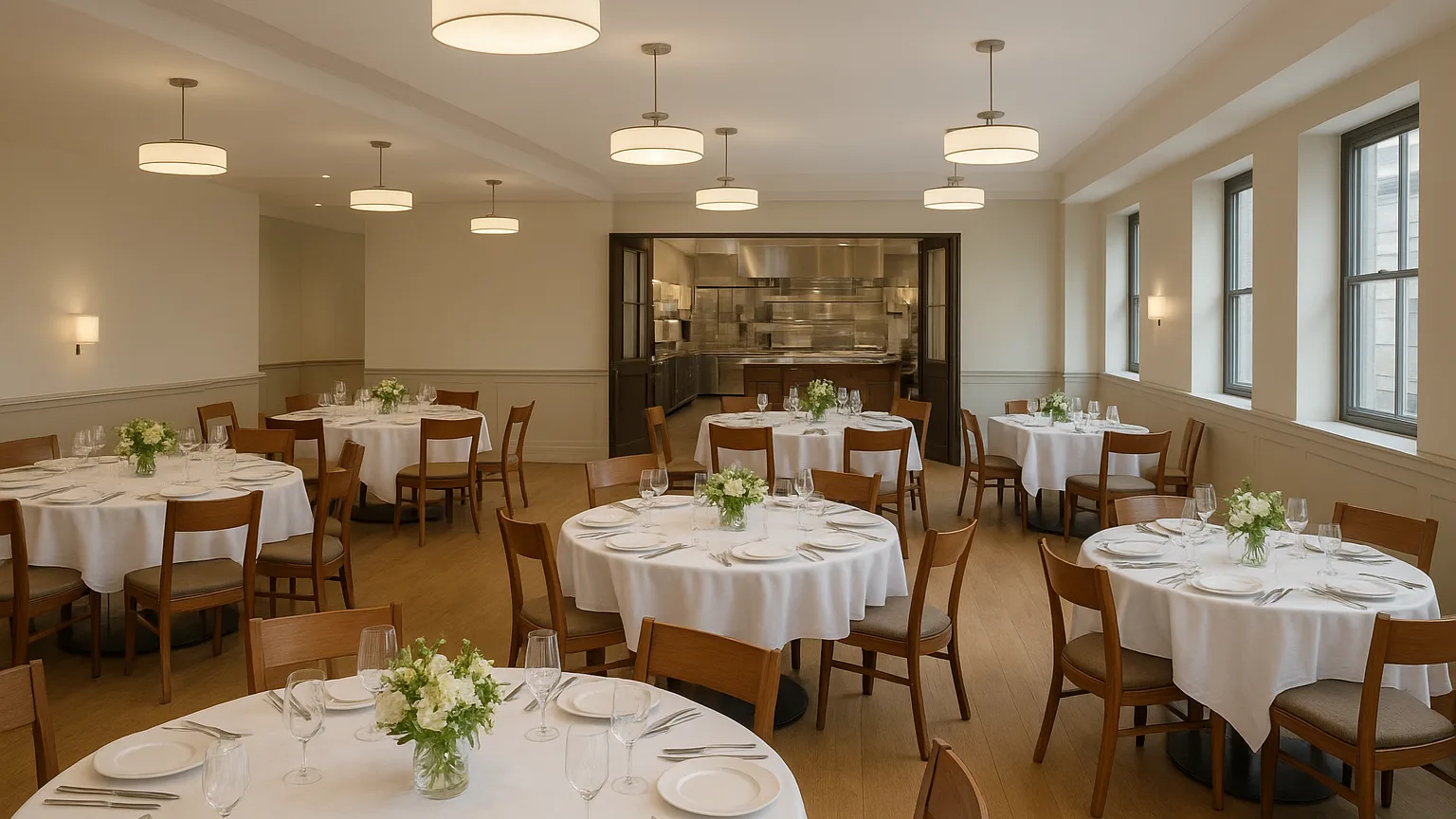
Schedule the tasting in the same season as your event, never outside it. A March tasting for an October wedding tells you almost nothing useful about what will land on the plate. If the calendar makes that impossible, ask the chef to build the tasting around what is available that week and describe the seasonal substitutions out loud.
This is also the window to finalize bar packages. Off-peak crowds drink differently. Cooler weather shifts consumption toward reds, brown spirits, and hot coffee service, which changes your per-person numbers more than most couples expect.
That last point matters more off-peak than in summer. When the pool deck is quiet, guests need a reason to arrive Friday instead of Saturday afternoon. A short list of things to do in Montgomery turns a one-night stay into a two-night one, which strengthens your room block and, in turn, your negotiating position on the rest of the contract.
Final counts, final seating, final timeline. Off-peak gives you more flexibility here than peak season does, because the kitchen is not juggling four other events. Use that. If your count moves by fifteen people, say so immediately rather than absorbing it quietly at the end.
There are two moments each year when the lake calendar quietly changes character, and both reward the people who book ahead of them rather than into them.
Late October through early December is the last reliable stretch of comfortable outdoor evenings. Demand for indoor-outdoor flexibility spikes in that window because everyone wants both options. Contracts signed in spring for these dates get better terms than contracts signed in August. Corporate planners know this, which is part of why a lake beats a ballroom for so many fourth-quarter offsites.
February and early March look empty on the calendar and fill fast underneath it. Spring wedding season, spring break family bookings, and the first big golf weekends all compete for the same staff and the same inventory. If you want a March or April date, the useful moment to commit is the previous summer, not the previous winter.
Once the pricing math stops being confusing, the real advantages come forward. Smaller weekends mean the catering team is not splitting attention. It means you can move your ceremony start time by thirty minutes on the day without a domino effect. It means the photographer gets the dock, the lawn, and the terrace without waiting behind anyone.
It also means service feels different. Not more formal, just more present. Guests notice when the person refilling water has time to answer a question. That is the part of an off-peak event that shows up in the thank-you notes, and it never appears anywhere in the quote.
Across these three parts, the same idea kept resurfacing from three different directions. Part one showed that chasing the popular season usually costs more than it delivers. Part two showed that the quiet weeks hold the best light, the best water, and the shortest menu windows of the year. Part three closes it out with the piece that makes both of those usable: the order in which you make decisions matters as much as the date on the contract.
Off-peak gatherings are not more expensive. They just punish the peak-season habit of booking late and deciding fast. Reverse that rhythm, hold the date early, build the menu around what the season actually offers, and cluster your event with the activity already happening on property, and the number on the page drops while the experience gets better. That is the flip. The lake has been offering it every year. Now you know when to take it.