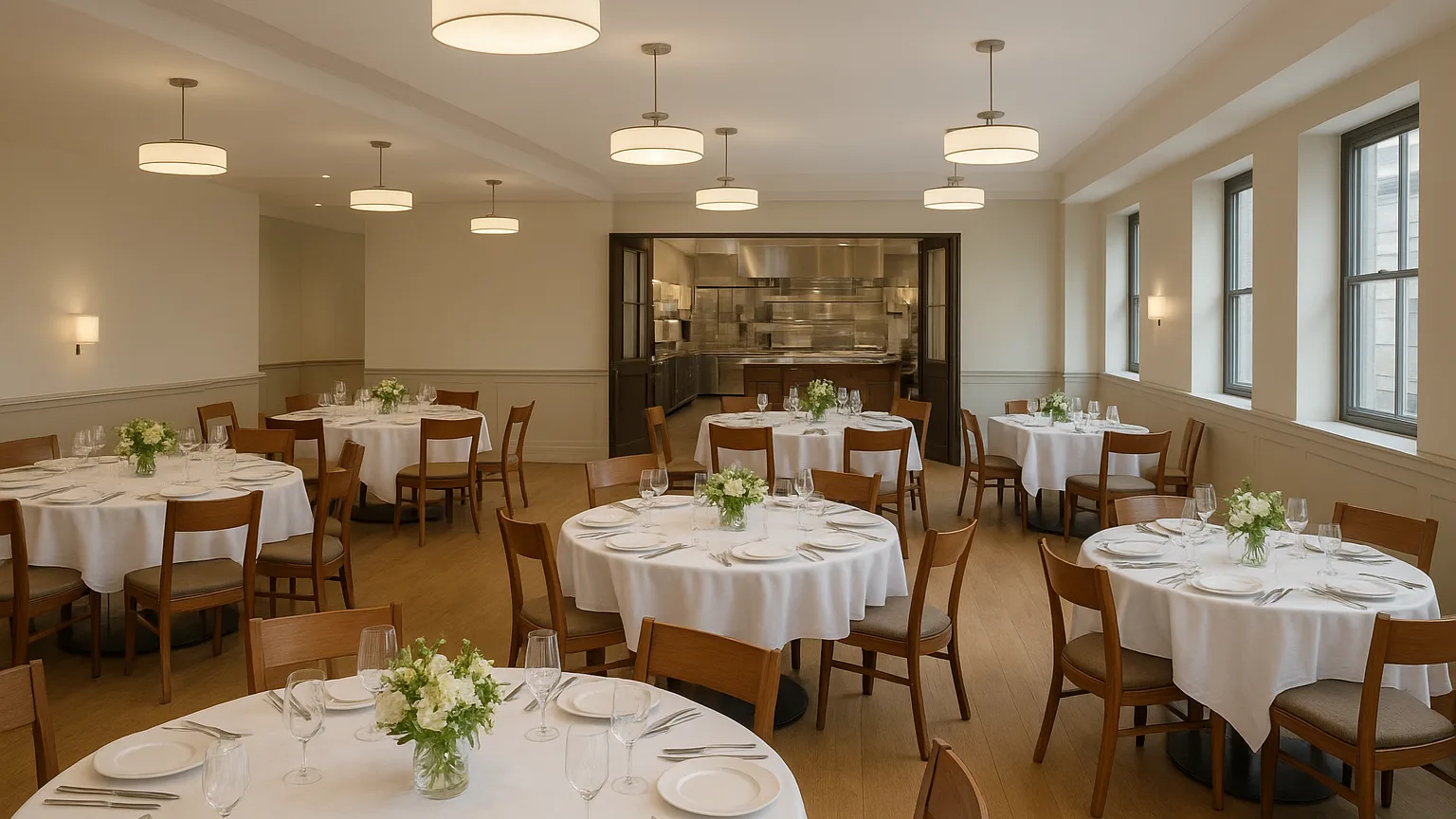
The low-traffic weeks on Lake Conroe deliver glassy water, longer light, and a harvest menu the kitchen can only serve for a few short weeks.
Part 2 of 3 in the series The Lakeside Calendar: What Nobody Tells You About Timing Your Event by Season.
Part one made the case that the season everyone requests is rarely the one that fits your guest list, your budget, or your menu. Here is the part planners tend to keep to themselves: the weeks with the fewest bookings on the lake are usually the weeks that photograph best.
This series was developed with insights from Katie Bean Travels, a travel advisor whose work revolves around matching travel dates to what a destination is actually doing that week rather than what it looks like in a brochure year round. That habit of reading a calendar by conditions instead of by convention shaped how we looked at our own.
People hear "off season" and picture January. On Lake Conroe, the quiet weeks are scattered across the year in short pockets, each with its own personality. Most last two to three weeks, which is why they slip past anyone scanning the calendar by month.
These pockets are exactly where the pricing conversation changes too, which is worth keeping in mind when booking mistake that quietly costs shapes how early you need to commit to a date.
A photograph of a lake is really a photograph of a surface. In June, that surface is broken all day by wake boats and jet skis, and the crossing chop they leave behind lingers another twenty minutes. Reflections turn into noise. In the quiet weeks, boat traffic drops off hard, and the water goes flat enough to mirror the far shoreline for hours at a stretch instead of minutes.
Wind matters just as much as traffic. Cooler air over a lake that is still holding summer heat tends to settle at dawn and again in the last hour before sunset, which is exactly why reading the lake the way a fishing guide does turns out to be useful for a photographer too. Same conditions, different reason for wanting them.
In midsummer, the sun sits high and hard until late, then drops fast. Golden hour is short and unforgiving, and outdoor portraits get squinting faces and heavy shadows under the eyes. From late September onward, the sun tracks lower across the sky. That golden window stretches to nearly ninety minutes, and it arrives at a civilized hour, often right as cocktails are being poured rather than after dinner service has started. Summer haze over the water flattens everything into a pale wash, but once the humidity breaks, the sky holds saturated color, the pines read dark green instead of gray green, and sunset pinks reflect off the lake with real contrast. Nobody edits that in afterward. It is just what the air is doing that week.
The same weeks that settle the water also decide what shows up at the back door. A resort kitchen running a summer wedding season leans on ingredients that ship well and hold up in heat. In the quiet pockets, the sourcing radius shrinks and the menu gets more specific, because the produce is close enough to arrive the morning of service. Regional wine follows the same pattern, which is part of why winery tours nearby taste different in October than they do in July.
These items are not on a printed menu you can order in July. They exist for a few weeks and then they are gone, and a tasting scheduled inside the right window lets you build a reception around what is genuinely at its peak instead of around what is merely available.
An empty calendar is not an empty resort. It just means the space stretches further per person. Spa appointments open up on Saturday mornings instead of only Tuesday afternoons. The golf course plays quicker, and tee times that vanish in April sit wide open in early November, with friendlier wind.
Travel advisors think about this in terms of what a guest actually touches during a stay, the same logic behind arrangements like a VIP travel membership, where the value sits in access and timing rather than in headline pricing. Katie Bean Travels applies that thinking to destination weeks, and it maps cleanly onto a lakeside weekend: fewer people competing for the same hour is worth more than most guests expect. The surrounding area follows the same rhythm. Harvest season through the Texas Hill Country and the wineries closer to home hits its stride in the fall, so local winery outings become a natural Friday afternoon add-on for out-of-town guests who arrive a day early. In spring, it is the water and the trails that pull people outside before the heat arrives.
The quiet pockets do not stay quiet forever. A few practical moves keep you ahead of them.
Cost is where this gets interesting, and it is also where people get tripped up, which is the exact puzzle hidden reason off-peak gatherings feel takes apart in the final part of this series along with a month-by-month rhythm for locking dates before the seasons quietly shift again.
The lake does its best work when the fewest people are watching. Flat water holds a full reflection. Low sun stretches golden hour into something you can actually plan around. Cool, dry air gives color back to the pines and the sky. And the kitchen gets access to oysters, pecans, grapefruit, crawfish, and strawberries that are only themselves for a handful of weeks. None of that is luck. It is what happens when the calendar, the weather, and the harvest line up in the same short window.
If the photos in someone else's album keep making you ask where they were taken, there is a reasonable chance the answer is not a different place at all. It is the same shoreline, in a week most people skipped. Pencil in one of those pockets first, then work the rest of the plan around it, and let the season do the heavy lifting your budget would otherwise have to.